Mensagens

























































Toquinho
transporta-me para longe, outra época, outros continentes. Emparelha com Chico
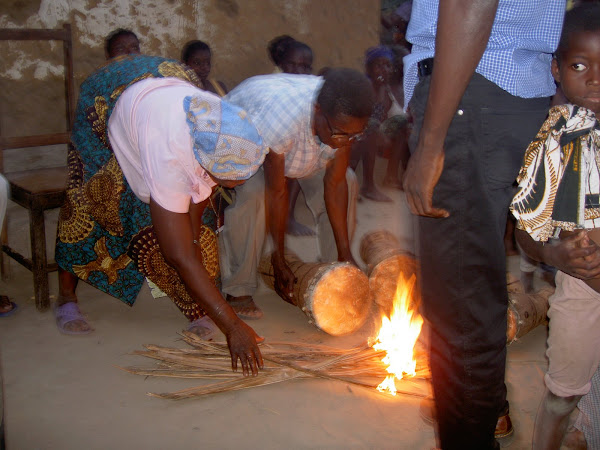
Buarque. A música continua a afirmar-se na rotina quotidiana; os batuques um
pouco abandonados, entre sol e chuva. Na reflexão da prática, a espiral
eleva-se progressivamente… poderá ser até ao ponto de, um ponto da curva, já
não vê, enxerga, distingue o lado oposto?! Em casa a TV reduz-se ao básico sem
antena: a do quarto, não funciona; a da sala, dá TVM1 (governo) e STV
(oposição) de baixa qualidade (programática e imagem); no quarto das raparigas
apanham Miramar, idem. Limito-me ao telejornal das 20 h mais o ruído de fundo.
segunda-feira, 30 de abril de 2018


terça-feira, 24 de abril de 2018
Abril em Portugal!
Há
44 anos, poucos residentes da Caravela de Granito poderiam imaginar o que se ia
passar dentro de poucas horas: o golpe de Estado militar do MFA, que na manhã
seguinte seria cognominado de “Revolução dos Cravos” pela tentativa de
apropriação popular, de uma liberdade há muito desejada! Tudo muda, nada
permanece e todos os sistemas tem o seu tempo de vida. Bons momentos e boas
coisas acontecerem, mas tal como ensina o símbolo taoísta, o branco fica preto
e o contrário tem que acontecer. Qual será o novo sistema?
sábado, 14 de abril de 2018
2 de Abril de 2018
Ontem foi dia das mentiras, hoje cartas na mesa: toda a verdade!
No geral, raptaram numa rua principal da capital e espancaram e torturaram na nova circular um comentador da STV, uma epidemia
de violações de mulheres em Gaza, o exército em Mocimboa da Praia à caça dos bandidos armados Al Shabat, um filho de
boss com carro de 340 km / h que se despista e mata 23 pessoas em Maputo. Nada de novo no
paraíso. O que me faz considerar se a ausência generalizada de sentido de
risco, pela grande maioria da população, se deverá ao risco permanente a que tem estado historicamente sujeita, interpretado assim como normalidade. Uma vacina perigosa; eu já tinha
há muito gabado a capacidade de resistência aqui da malta. Mas…há limites.
terça-feira, 10 de abril de 2018
Estação quente (com chuva)!

Um Cohibas cubano, traz um aroma das caraíbas e um sabor de Pinar del Rio!
MFC Moçambique.
A equipa de Medicina Familiar e Comunitária da Faculdade de Ciências de
Saúde da UniLúrio reuniu para avaliar os requisitos para o início da residência médica em Nampula. A aposta nesta especialização dos
Médicos garantirá a fidelização da filosofia da UniLúrio à sua missão de
desenvolvimento das comunidades e terá um impacto altamente positivo no Sistema
Nacional de Saúde.
quarta-feira, 4 de abril de 2018
Medicina Familiar e Comunitária
A
Residência (formação em serviço) para os Médicos Generalistas que se querem
especializar em Medicina Familiar e Comunitária é uma condição necessária para
a melhoria do estado de saúde das populações de todos os países do Mundo. A
Assembleia da República de Moçambique aprovou (2013) o Estatuto do Médico
Moçambicano e a primeira das cinco carreiras, a Medicina Familiar e
Comunitária. A Ordem dos Médicos de Moçambique, definiu as condições
necessárias e suficientes para a creditação dos Especialistas (2017). Em
Nampula, Moçambique, uma carga pesada de doença torna esta estratégia em
urgência!


Como fazer as coisas andar?
No final das tardes...
Eu,
no meu calção habitual desde que chego a casa, transpiro pouco. Hora aeroZen
não está a dar – muito matope, chuva miúda. Os insetos fazem sonatas incríveis
e o Felini é excelente na cinematografia.


African beauties, 1.
segunda-feira, 26 de março de 2018
Architects may come in...
And architects may go out...

A peregrinação dos jovens aqui ontem deixou marcas.

Também os vendavais!

Mas o homem persiste: a jovem freira de 27 anos aproxima-se, cumprimentamos, observa "é tão parecido com Padre Paulo" (não estava a falar de mim!).

terça-feira, 20 de março de 2018
Research going on!
Paulo Pires on ResearchGate

Finalmente, preparar a publicação!

Recolha de dados.

Preparação do trabalho de terreno.

Finalmente, preparar a publicação!

Recolha de dados.

Preparação do trabalho de terreno.
quarta-feira, 14 de março de 2018

segunda-feira, 12 de março de 2018
Geomancias 4.
A perspectiva tão longamente adiada, agora muito mais
próxima, da mudança radical da montanha para o mar, constitui uma componente de
força no movimento do leão na jaula do reboque do circo ambulante.

Fevereiro, sempre o mesmo início?
Além da
magia dos 7 anos – in the same place - fui à DPFN às 15h para buscar o
comprovativo do pagamento do Imposto “voluntário” do 4º trimestre 2017, mas o
balcão já estava fechado. Procurei a ficha do fogão em 5 lojas, nada, na
sexta 550 Mt (fabrico chinês), passei à compra de comida e voltei a casa pelo
acesso miserável da nacional a Marrere. As raparigas cozinharam cool e a chuva
está “low profile”.
quinta-feira, 8 de março de 2018
Who are we?
Na continuidade do “The state of Africa”, o meu amigo
e colega de Cartão FRE contou-me sobre as misérias do serviço de urgências e sobre a delapidação aceleradíssima do Município (terrenos, dinheiro, motores de carros e autocarros); ontem, os
comentaristas políticos da TV mostraram uma nuvem democrática no compromisso
Nyussi – Djaklama. News are fake, let’s make real ones! Mas,
o leão está na jaula, e contra isso não há invenções! Get out!
Querem apostar?
São 7 anos de persistência e produção,


A
Residência (formação em serviço) para os Médicos Generalistas que se querem
especializar em Medicina Familiar e Comunitária é uma condição necessária para
a melhoria do estado de saúde das populações de todos os países do Mundo. A
Assembleia da República de Moçambique aprovou (2013) o Estatuto do Médico
Moçambicano e a primeira das cinco carreiras, a Medicina Familiar e
Comunitária. A Ordem dos Médicos de Moçambique, definiu as condições necessárias
e suficientes para a creditação dos Especialistas (2017). Em Nampula,
Moçambique, uma carga pesada de doença torna esta estratégia em urgência!
18 Janeiro 2018: Fátima Valentim, muitos parabéns!
Trabalhos
gerais em arranque, A. não tinha malária, contacto da Z., conversas de
jantar, eleições intercalares de Nampula em curso (democracia alegada, eleger
um presidente do município por 6 meses, mesmo antes de saber quem assassinou o
precedente! – inédito!).
quinta-feira, 22 de fevereiro de 2018
14 de Fevereiro de 2018
Em África (Banto), o futuro não é premeditado, não existe. O presente resume-se a um resultado fugaz e com pouco valor, de um passado vastíssimamente complexo e pesado.

Rede integrada de apoio a referencia e contra referencia.
Pretende-se reduzir a mortalidade materna e neo-natal.

O mais rapidamente possível, os distritos de Mecuburi, Murrupula, Nampula (exclusivamente CS 25 de Setembro na Cidade e Rapale), terão o Hospital Geral de Marrere como referência.

As dificuldades são muitas.

Será necessária a intervenção política das Administrações Distritais.

Imprescindível a decisão da Direcção Provincial de Saúde de Nampula para a colocação dos recursos humanos indispensáveis.

Os parceiros (MCSP, Maternal and Children Survival Program, JPIEGO, UniLúrio) garantem o acompanhamento e o desenvolvimento profissional contínuo.
sexta-feira, 9 de fevereiro de 2018
17 (!)nde Janeiro 2018
As
quantidades de água caídas do céu, de facto contribuem para uma mentalidade de
que não há necessidade de poupar: Deus a dá, tal como os filhos. Só 2 % dos
inquiridos no Posto Administrativo de Natikiri, cidade de Nampula
(adolescentes, jovens e adultos dos dois géneros) acham que o PF serve para
“ter menos filhos”. Os outros, é para domesticar os desígnios de Mulugo
(espaçar as gravidezes).
Como
sabemos não são exclusivamente os animistas: seitas judaicas, católicas e
islâmicas, têm o mesmo conceito; mas como são menos, o impacto planetário é
ligeiramente menor. O meu amigo anarquista ugandês dizia que a super população
adolescente e jovem pode ser a solução do continente - limpar os antigos
“combatentes”!
quinta-feira, 8 de fevereiro de 2018
Tropical húmido...
A
chuva não para há dias. No mapa de África específico à cobertura vegetal, temos
uma enorme área central, na África Centro Oeste, em verde mais escuro, floresta
tropical húmida; os mais atentos descobrem também, uma estreita faixa costeira,
bem mais a sul, na Tanzânia e Moçambique. Embora mais perto do Trópico de
Capricórnio do que do Equador, o clima aqui, desafia!

terça-feira, 6 de fevereiro de 2018
Black out!
Estou quase sem carga no portátil e o smartphone já era; está a
carregar agora no portátil! Estive
a ler, aquele livro “The state of Africa” é asfixiante e arrasador, não consigo
parar: o poder mais negro no sentido simbólico da palavra, incluindo os brancos
da África do Norte e do Sul e os mistos do Corno, a delapidação total dos
recursos e o genocídio generalizados dominam o continente há 60 anos! Parece
que a única “excepção” será o Botswana, já menos a Namíbia. Mas depois
descasquei as batatas, limpei a cenoura e as cebolas, pus na água. Está na hora
de iniciar o ritual de preparação da “Janta”, à luz da vela.
Saúde Mental.
Na região Norte e parte do Centro de Moçambique (províncias de Niassa, Cabo Delgado, Nampula, Tete e Zambézia) existe uma única unidade de saúde dedicada a pacientes psiquiátricos e "neurológicos" (epilepsia!).


As instalações estão limpas e organizadas, geridas pelos Irmãos S. João de Deus.

Internados serão poucos (50 homens, 20 mulheres) mas o trabalho mais pesado está nas consultas externas.

Imprevistos, constituem a única coisa previsível por aqui!
sábado, 20 de janeiro de 2018
África no início do 3º milénio!
“A
maior parte dos países africanos sofreram de forma gravosa nas mãos dos seus
Grandes Homens e as suas elites reinantes. A sua preocupação acima de todas as
coisas, tem sido segurar o poder para se enriquecerem. O sistema patrimonial
que utilizam para se sustentar no poder sugou enormes quantias dos recursos dos
estados. Adquiriram ainda outras riquezas actuando como “porteiros” para as
empresas estrangeiras. Muita desta riqueza adquirida foi mal gasta em vidas de
luxo e desviada para o estrangeiro em contas bancárias e investimentos. O Banco
Mundial estima que 40 % da riqueza privada africana se encontra em paraísos
fiscais. A sua cobiça pela riqueza disseminou uma cultura de corrupção que
penetrou todos os níveis da sociedade. Um relatório da União Africana em 2002
estimava que a corrupção custava anualmente à África 148 biliões de dólars americanos – mais de um quarto do produto interno bruto do continente.
Resultados de uma investigação publicada em 2010 estimavam que pelo menos 850
biliões $EUA tinham sido desviados de África desde 1970.”
Martin
Meredith. Black Gold. The State of Africa. Simons & Schuster. London. 2011.
quinta-feira, 18 de janeiro de 2018
Onde está o problema? Aprendamos com África!
“A
enorme ajuda externa que entra em África, quer seja da China ou do Ocidente,
não traz soluções definitivas. Porque o somatório das infelicidades africanas
durante o meio século passado - as guerras, os déspotas, a corrupção, as secas,
a violência diária – configura uma crise de dimensão muito maior. No centro da
crise está o falhanço dos líderes africanos na prestação de uma governação efectiva.
Poucos países tiveram a experiência de uma liderança sábia ou competente. A África
do Sul, na era pós-apartheid, surge como um estado democrático bem gerido, com
instituições fortes e um sistema de controlo e balanço bem apoiado numa
Constituição moderna. O Botswana destaca-se sendo o único exemplo de uma
democracia multipartidária resistente, com um registo de gestão económica com
bons resultados, que utilizou a riqueza diamantífera para o desenvolvimento
nacional e manteve uma administração livre de corrupção.”
Martin
Meredith. Black Gold. The State of Africa. Simons & Schuster. London. 2011.
22.12.2017
Água
na torneira, não há. Energia, melhorou. Um rato, anda à solta. A lua está
crescente; as nuvens acumularam-se e os trovões, fortes, fizeram a sua
aparição; a chuva reteve-se. Espera-se El Nina!
quarta-feira, 17 de janeiro de 2018
Clima de floresta tropical húmida!

Ventos fortes,

Muita água nos rios,

Barragem de Nacala tem que descarregar...

Outras situações?
Moçambique, anos 90!
“Na
década de 90, a comunidade internacional inicia um processo para pôr fim à
Guerra civil em Moçambique. Em 15 anos tinha reduzido o país a um caos. No
início dos anos 90 tinham morrido mais de um milhão de pessoas e cinco milhões
foram arrancados das suas casas, numa população total de 18 milhões. Mais de 90
% da população vivia abaixo do limiar de pobreza e desses 60 % estavam na
pobreza absoluta. Para evitar a fome das massas, Moçambique precisava da ajuda
externa.
O
Governo da Frelimo e o movimento rebelde da Renamo foram incitados pelos parceiros
internacionais à negociação, que se foi prolongando. Tendo a Renamo iniciado
como um movimento regional, primeiro com os brancos da Rodésia e depois da
África do Sul, ganhou uma reputação de crueldade extrema, realizando massacres
brutais, mutilações e militarizando crianças; mas também conseguiu apanhar o
descontentamento enraizado nas comunidades com as políticas autoritárias da
Frelimo, ficando a controlar vastos territórios no centro e norte de
Moçambique. Quando se propõe à Renamo de participar numa nova ordem política em
1992, ela está de acordo em desmobilizar o exército, transformar-se num partido
político e concorrer a eleições. O acordo de paz foi assinado em Roma a 4 de
outubro.”
Martin
Meredith. Black Gold. The State of Africa. Simons & Schuster. London. 2011.
segunda-feira, 15 de janeiro de 2018
Moçambique, 1975.
“Em setembro de 1974 Portugal concedeu o poder à Frelimo, mediante
um período de transição de nove meses. Poucas horas depois da notícia, brancos
de direita iniciaram uma revolta que foi derrotada. O êxodo dos brancos
aumentou. Na altura em que Moçambique fica independente, junho 1975, o país
tinha perdido a maioria dos funcionários administrativos, gerentes, técnicos,
operários e comerciantes. Cerca de 200.00 brancos fugiram de Moçambique,
abandonando quintas, fábricas e casas.
Desafiando as carências críticas de pessoal especializado, o líder
da Frelimo, Samora Machel, lançou-se na transformação da luta de libertação
numa revolução total, utilizando o Marxismo-Leninismo como a linha orientadora.
A Frelimo legisla uma série de Decretos lei nacionalizando quintas, negócios e
fábricas; introduz a planificação económica centralizada; determina produção
agrícola coletiva; e tenta uma estratégia de “aldeamento” semelhante ao programa
ujamaaa da Tanzânia. Grupos de
ativistas partidários (grupos dinamizadores) foram enviados para fábricas,
escritórios, negócios, hospitais, escolas e municípios para reforçar a linha do
Governo. No seu objetivo de modernização, a Frelimo também se lançou na limpeza
dos tradicionalismos culturais e fundiários para eliminar a influência dos
Régulos e dirigentes locais. A Igreja Católica e os seus aderentes foram outro
alvo. A Frelimo decretou o fim dos festivais e cerimónias religiosas,
apoderou-se das propriedades da igreja e proibiu as atividades na educação e no
casamento. As religiões tradicionais foram também proscritas.
“”O nosso fim””, declara Machel em 1977, “”não é ostentar uma
bandeira diferente da dos Portugueses, ou realizar eleições gerais – mais ou
menos honestas – em que os pretos, no lugar dos brancos, são eleitos, ou ter um
presidente preto em vez de um governador branco…afirmamos que o nosso objetivo
é conseguir a independência total, para estabelecer o poder do povo, para
construir uma nova sociedade sem exploração, para benefício de todos aqueles
que se consideram Moçambicanos!””.
Estes sentimentos excelentes, demonstraram-se ruinosos. As políticas
de Machel provocaram um descontentamento geral que eventualmente alimentou a
guerra civil.”
Martin Meredith. White Dominoes. The State of Africa. Simons &
Schuster. London. 2011.
sexta-feira, 12 de janeiro de 2018
Esta não sabiam de certeza!
“Mobuto in Congo in
the 1970s, changed the name of the country to Zaire, a name derived by the
Portuguese from a Kikongo word, Nzadi, meaning vast river”.
Martin Meredith, The State of Africa.
Africa first...
“In Benin in the 1970s, the institutions were
found to be hierarchical, authoritarian and highly bureaucratic, leading to
failure to perform essential tasks, to waste and inefficiency. The personnel,
apart from being in many cases unqualified or ill-qualified, tended to be idle,
undisciplined, arrogant and above all corrupt, so that fraud as well as
inefficiency abounded within the parastatal sector.”
Martin Meredith, The State
of Africa.
Dezembro 2017
Primeira chuva equatorial, grande ventania,
relâmpagos perto e trovões, ruas cobertas de água, caem árvores e voam telhados
de chapa desde o fim da tarde, energia vai e vem, quando vem em baixa
tensão…Mais tarde acalmou, limpou um pouco, veem-se estrelas por cima, Orion
está lá. A poente, nuvens muito negras; as nuvens brancas vêm rápido do mar,
mas a noite está clara; ao longe a claridade dourada da cidade de cimento,
abre-se uma nesga nas nuvens e sai a lua grande que inicia o quarto
decrescente. O concerto dos pássaros é intenso e variado; a amiga águia pia no
alto do penedo. Está uma temperatura ótima!
quarta-feira, 3 de janeiro de 2018
Etiopia.
Não
tive oportunidade de ver as igrejas subterrâneas, contentei-me com a catedral na praça central de Addis. Cheguei no Domingo
a Nampula 10 minutos adiantada a LAM de Nairobi, depois de ter que
comprar um visto de transito por 20 $US porque a mala não cabia na cabine do
avião da Etiópia e tiveram que pôr no porão. Atravessei a praça, perguntei duas
vezes, fumei um cigarro depois de comprar fósforos porque o isqueiro mini ficou
retido na saída de Addis. Em Pemba foi rápido e em Nampula parece que só saímos
nós os dois. A semana foi
produtiva, com o brother IH, aprendemos a escrever investigação para
as revistas de marca! Podíamos com certeza dar um contributo óptimo para a
formação dos docentes e para o desenvolvimento da política científica da FCS.
Hwo knows? O grupo era animado, de muitos países, organização do Kenia, African
Population Health Research. O Hotel estava nice, bons pequenos-almoços e
refeições, vi muitos noticiários, euro news,
al jaezera, BBC and so on. Apaguei o AC no segundo dia. Os cortes de energia
repetidos no inicio da noite lembravam Nampula. Daí uma vez ao fim da tarde com
o Manuel, acompanhou-nos por acaso um dos empregados do restaurante que ia para
casa, passámos pela catedral, em que o Padre falava alto no altifalante, muitos
a orarem à volta, pequena rua de barracas de venda de quadros, fotografias,
adereços de santos, virgem, pessoas vestidas singularmente a que se agradecem
preces; estamos na praça principal, onde passa em viaduto o eléctrico; em frente
o Museu do Terror Vermelho e o Museu de Addis Ababa, O Parque Desportivo;
continuamos para entrar, depois de revistados, em um parque de casamentos,
jardim e árvores enormes, com hotel e câmbio (o IH foi trocar dolars em
Birr); depois o estádio de futebol e por baixo um bar popular, uma cerveja cold
gold, consistente; tranquilo, boa música, conversa ligeira. Regressámos na boa,
o IH deu-lhe alguma coisa para a passagem, subimos a colina!
Passados
717 anos do plano do Rei D. Dinis, o reino da Etiópia está muito diferente. No
entanto, a presença cristã ortodoxa é manifesta. Conta-se que o enviado do Rei
de Portugal chegou aqui com os homens das Caravelas, que ficou bastante tempo e
chegou mesmo a converter o Soberano reinante ao cristianismo católico; episódio
que terá durado uns 30 anos, sendo finalmente resolvido com guerra para a reposição
da Igreja Ortodoxa. O país dos mais antigos de África, talvez anterior ao
Egipto, nunca colonizado (ocupado 3 anos pelos Italianos na segunda guerra
mundial). Addis Ababa, “nova flor”, situada a uma altitude de 2.800 m, rodeada
de montanhas com florestas, capital criada há 100 e tal anos por Mengisto,
unificador do reino, retirando a antiga capital do Norte para o Centro. Apoio
de Cuba (influencia socialista da década de 60 / 70), 30 anos de guerra com a
Somália, uma guerra civil de 100 anos. Os monumentos antigos encontram-se a 300
ou 1.000 km daqui. O país tem 102 milhões e a cidade talvez 6. O Armárico,
língua oficial, é completamente inteligível para mim, o alfabeto é um enigma –
não se consegue perceber nada. Embora haja negros Banto e várias misturas, a
fisionomia dominante é “Nilótica”: cor escura, feições esbeltas, cabelos lisos.
As mulheres podem ser bonitas, homens menos. Construções astronómicas por todo
o lado, arranha céus, muitas aparentemente paradas; a China está a construir
uma sede moderna monumental para a União Africana; tem viadutos, eléctrico,
transporte urbano e chapa, táxi por todo o lado, tráfico intenso, montes de
gente na rua, desportistas, pobres, sem abrigo, negócios de banca 0,5 m2,
pedintes, disponíveis para ajudar, soldados armados, muita polícia, proíbem
fotografias.
Comprei
4 cds mas um não funciona. A música mostra uma forte influência oriental, com
bocados muito bons, quer na mais tradicional ou na moderna. Para as Panteras
custou-me os olhos da cara os vestidos tradicionais com a cruz ortodoxa, mas
ficaram bonitas. Não podia faltar o café, dizem eles o primeiro e o melhor do
mundo, para o qual tem até uma cerimónia. Os homens mostraram o modo de dança
muito particular com a articulação ritmada e alternada dos ombros.
Na quinta-feira à noite, buffet animado com música e drinks, a malta
conversou e dançou, riu-se bastante. Mas já tinha encontrado um anarquista, do
Uganda, o Patrick, no pátio para fumar, onde á noite, com um frio desgraçado,
acendiam vários bicos sofisticados e potentes de gaz; ele esteve sempre sentado
ao meu lado, sem de facto termos previamente contactado. Aí encontravam-se
Etíopes corpulentas, a oferecer massagens magníficas e completas, mesmo a
sugerir outras intervenientes. Mas a hora de despertar era ás 7 para estar a
funcionar às 8:30, uma hora mais tarde que em Moçambique. Estes Etíopes são
loucos! Mas conduzem pela direita.
De regresso re instalo a sandes de presunto
e uma tónica, a hora aerozen diária, tendo em conta o deficit da semana passada. Tudo normal, gris gris dos insectos nocturnos, todos à
espera de chuva!


quinta-feira, 7 de dezembro de 2017
Não há Natal para todos...
Urban family’s food
insecurity, Mozambique, 2015.
Abstract
Context:
Nampula is the third largest city in Mozambique, under a strong rural – urban
migration. Here is Mutauanha neighbourhood, highly populated with several weak
urban, demographic and social factors associated with food insecurity. Surrounding
Lúrio University Health Sciences Faculty facilities, made it eligible to
develop a research and health education program, "One student, one
family". Its main objective is students’ interaction with local communities,
providing close and continuous contact throughout the students' training
process, with the community’s daily problems, following 350 families. In
Mozambique, there is not a validated method to assess food insecurity, but international
methods can be adapted successfully to evaluate food insecurity, allowing an
accurate assessment (prevalence and determinants) in urban families living in Nampula.
Methods:
descriptive, cross-sectional study with informed consent of 103 families,
followed by undergraduate students in 3rd year Nutrition Course, duly guided
and accompanied. We applied the American Food Security Scale to determine food
insecurity and a structured interview about social and economic information. To
evaluate food insecurity determinants, Chi-square tests were used for
categorical and Pearson correlation for numerical variables. A significance
level of 5 % was adopted.
Results:
food insecurity attains 65 % of families in
Nampula city. Average families’ monthly income per capita was 697.52 Meticais
(± 10 US$, 0,33 US$ / day). Children under five years of age low weight,
chronic undernutrition and overweight prevalence were 5.2 %, 24.2 % and 20.7 %
respectively.
Discussion:
food security was associated with domestic food production (p < 0.05) and use of treated water
for food preparation (p < 0.05).
Correlation test regarding numerical variables showed that the lower the yield,
the greater the food insecurity (r = - 2.92; 0.01). The most important determinant of food insecurity was
low household income per capita.
Conclusion:
we demonstrate a high prevalence of food insecurity among urban families in
Nampula, Mozambique. Low family income may be the main barrier to access adequate
food.
Key
words: family, food insecurity, hunger,
nutrition, poverty, undernutrition, urban.
Acessível em https://edupediapublications.org/journals/index.php/IJR/
terça-feira, 5 de dezembro de 2017
Educação para a saúde!

Casa cheia!

Estágio "rural", sim mas mais propriamente suburbano.

As mensagens são repetidas em Macua.

Os estagiários do 6º ano de Medicina transmitem com entusiasmo!

No Centro de Saúde 25 de Setembro, o movimento é sempre muito, há quem o diga!

quinta-feira, 30 de novembro de 2017
5 de Outubro, 2017!
Ontem
celebraram 25 anos dos acordos de paz em Roma, feriado nacional, fui com as 3
panteras pequenas dar um passeio na cidade quase deserta e
comer um gelado; visitámos a exposição do J. no museu e regressámos. Na
abertura do telejornal anunciam que assassinaram Hamurane, o presidente do Município,
com 3 tiros. Simultaneamente, conflitos em Mocuba, Zambézia
(parece que mataram 4 militantes da Renamo), Mandinga (Niassa) onde a população
se revoltou e atacou a polícia e Mocimboa da Praia (Cabo Delgado), notícias de
um ataque pesado, parece da Al Shabat!? Depois de terminado o XI Congresso do
Partido Frelimo, as coisas parecem estar a piorar. Hoje na cidade de Nampula
houve manifestações e tiros da polícia para dispersar, avisei os meus
estudantes que não ia ao Hospital dar a aula, que adiamos para a próxima
segunda-feira!
quarta-feira, 29 de novembro de 2017


1969?

Natal na Casa da Tia Fernanda e do Tio João em Queluz, eu com as primas Luísa e Cristina, a prima Maria João com a Elsa e o Vasco, já espreguiçado!
quarta-feira, 22 de novembro de 2017
Abalos tectónicos?
A
confirmação da inevitável mudança, atrasando-se na atualização documental da burrocracia ecofágica, parece não se incomodar com a velocidade
planetária. O Pós-Doutoramento em Ciências da Paz (Paciência) cristaliza-se na
produção de livros na cultura oral; será o cristal estudado? Bem falado?
Vilipendiado? Na medida em que o imprevisto é a única coisa previsível, ficamos
no “cara ou coroa”!
segunda-feira, 20 de novembro de 2017
Preâmbulo.
Na
minha hora (45 min) aeróbica (5 km) interferi com os cães vadios na rua ao lado
dos dormitórios dos estudantes e também com os duetos de segurança e polícia
armados, não vi mais ninguém! As estrelas agora, com o quarto em crescente,
esmorecem. A Via Láctea está discreta, o Cruzeiro do Sul não falha, deitado a
ocidente, mas a UM? Virá?
quinta-feira, 9 de novembro de 2017
20 de Setembro 2017
Quarta-feira
depois de jantar, duas horas a jobar e uma hora de marcha rápida ~ 5 - 6 km
naquela meditação das dezenas de ideias brilhantes que nunca serão conhecidas! Agora
acelerei para 3 vezes uma hora por semana, mínimo!
terça-feira, 31 de outubro de 2017
Parto...
NESSE DIA PARTI PARA OUTRA VIDA.
Francamente,
não estava preparada. Flutuava descansada no líquido amniótico, sem qualquer
outra preocupação, mas a hipófise da minha mãe pensava que era a altura certa e
o útero dela começou a expulsar-me. Não tive outra solução que enfiar a cabeça
e toca a sair, abrir a boca e inspirar fundo, expirar, engasguei-me um pouco,
tossi e começa uma nova fase, tudo diferente. A enfermeira de branco rodou-me,
puxou-me um pouco pela cabeça, os ombros saíram certinhos e o resto foi fácil.
Já embrulhada na toalha, a enfermeira colocou-me calmamente em cima da barriga
da minha mãe. Pensei em chorar, mas de facto não tinha grande vontade. Por cima
da minha cabeça, estava um cheiro sedutor e um mamilo apetitoso que me cativou
os sentidos. Estiquei o pescoço e a minha boca apanhou o alvo. Pronto,
devagarinho reencontrei o meio habitual. Barriga cheia está-se muito melhor.
Minha mãe chegou-me um pouco acima, deu-me duas palmadas no rabo e eu arrotei.
Nisto, deu-me vontade de dar uma mijinha. Descuidei-me, e molhei a barriga da minha mãe. Chegou
o médico para fazer o exame clínico; sacudiu-me um pouco, esticou-me os braços
e pernas, colocou-me na balança e depois escreveu no cartão. A enfermeira pegou
em mim e colocou-me na cama ao lado da minha mãe. Entrei num sono profundo.
Sonhava ainda com aqueles sons fortes do coração da minha mãe, do ruído de
fundo da galáxia desconhecida, da circulação rápida no cordão umbilical.
Deixei-me ir!”
segunda-feira, 2 de outubro de 2017
Maternal and children nutrition in northern Mozambique: a mixed methods study. Publicado no International Journal of Research, India!
Maternal and children
nutrition in northern Mozambique: a mixed methods study.
Ganhão C,1 Pires P,1
Couto S,1 Valente A,1 Mupueleque M,1 Marega A,1
Muoki P.2
(2)
International
Institute of Tropical Agriculture, Nampula, Mozambique.
Introduction: children malnutrition is
a public health problem in Mozambique and we know that integrated agriculture
and nutrition interventions can mitigate malnutrition adverse effects,
especially during the first 1,000 days of life. For an agriculture intervention
positively impact on nutrition, the implementation must be purposely designed
to achieve this objective; this baseline survey was carried out to benchmark a project
progress towards attaining its objectives as well as in guiding implementation
process.
Methods: descriptive mixed methods
research to evaluate the nutritional status of mother-child (aged from 6 to 24
months) pairs, food availability and consumption trends. Focal group
discussions to prepare food demonstration tools, a structured questionnaire for
24h-recall and a food frequency questionnaire to collect data were used. We
surveyed randomly selected households in Malema and Gurué districts, Northern
Mozambique.
Results: 577 infant-mother pairs were
surveyed and we found a high prevalence of children born underweight (18.8 %),
a prevalence of chronic and acute malnutrition of 6.0 % and 12.0 %,
respectively. A double burden of malnutrition (underweight and overweight) was
found among mothers. Both Malema and Gurué districts produce various food
crops. Legume crops are the main protein source for most households. The 24 h -
recall indicated that the median protein consumption among infants was 25.3 g /
day, threefold higher than the recommended protein intake from complementary
foods, assuming a child is breastfeeding as is expected for children below two
years.
Conclusion:
this
baseline survey highlighted the nutrition status of infant-mother pairs in
Malema and Gurué districts, Mozambique, showing a children nutritional positive
evolution since the 2011 Mozambican Demographic and Health Survey. Malnutrition
double burden (under and overweight) attains mothers and possible underlying
factors for the nutrition status were underscored. Potential intervention
niches for an integrated agriculture and nutrition project were highlighted.
Key
words: children, malnutrition, maternal,
Mozambique, nutrition, overweight, underweight.
- Introduction.
Maternal and children under nutrition
in low and middle-income countries encompasses both under nutrition and a
growing problem with overweight and obesity. (1) Annually, under
nutrition accounts for 3.5 million deaths with over half of the global child
mortality occurring in Africa. Under nourished children have an increased death
rate from diarrhoea, pneumonia, measles, and other infectious diseases. (2)
In Mozambique, the prevalence of stunting is 43 %, (3) and it is
responsible for over a third of deaths among children aged less than five
years. Undernutrition prevalence rates differ within the country, with the northern
part (Nampula Province) having the highest prevalence (55 %). Undernutrition is
not only a health but also an economic problem, being responsible for a 2 – 3 %
loss of internal product. Chronic under nutrition is recognized as the best
indicator of the quality of human capital. (4)
Maternal and child under nutrition
including stunting, wasting and deficiency of essential vitamins and minerals
has been a subject of discussion by various professional, who agree there is
potential for reduction through equitable coverage of proven nutrition
interventions. The need to focus on the crucial period from conception, through
the first two years of life (the first 1,000 days), during which good nutrition
and healthy growth have lasting benefits throughout life has been recommended. (5)
In Sub-Saharan Africa, millions of
households depend on agriculture for income and food. In 2006 80 % of
Mozambicans lived in rural areas depending on agriculture for their livelihood.
Agricultural interventions have long been thought to influence nutrition. In
the past 10 - 15 years, people have accepted that for agricultural intervention
to have greater chance of affecting nutrition status, they must be implemented
with that objective. (6) Northern Mozambique is considered the country’s
food basket as most food production happens there. (7) However,
there is high prevalence of undernutrition in northern Mozambique compared to
other parts of the country, an example that agriculture or high food production
does not always translate into better nutritional outcomes.
During 2011 - 2015, the International Institute of Tropical
Agriculture (IITA) has set out to implement a nutrition sensitive project,
with the aim to increase soybean production and consumption for better
nutrition. To effectively implement and measure project’ progress, a baseline
survey was performed, in cooperation with Lúrio University (LU) Health Sciences
Faculty researchers, to assess the nutritional status of the key beneficiaries
of the project (body mass index – BMI - of women and children aged from six
months to two years), local dietary characteristics (components and preparation
techniques), food availability and consumption trends among this target
population.
2.
Methods.
Descriptive mixed methods study, using
qualitative and quantitative tools to gather data from children of age between
6 and 24 months and their mothers, in Gurué (Zambézia Province) and Malema
(Nampula Province) districts in Mozambique, during April and May 2013.
Initial interactions with key
informants during focus group discussions (FGD) were used to appraise the type
of foods that were commonly eaten in the community and their methods of
preparation. FGD also aided to develop the food frequency questionnaire (FFQ)
as foods available in the study area were documented. For quantitative data, we
used a questionnaire that contained agriculture and nutrition related questions
including a 24 h - recall.
FGD and development of a
pictorial manual.
FGD were conducted in the study area
to gather information on types of food typically eaten, with women of
reproductive age group (n = 68). A structured questionnaire was used to guide
the discussions.
Using information gathered through FGD,
a pictorial manual showing an illustration of food combinations, that would
normally be served for a normal meal, was developed. Three local women prepared
various recipes described by FGD. The women served the various food combinations,
as they would do normally. The weight of each food type on the plate was then
recorded and photographed to guide interviewers while filling the 24 h - recall
questionnaire.
Sample selection.
A total of 612 households
participated in the study. Children aged from 6 to 24 months and their mothers
qualified to participate. The number of children to be surveyed, was calculated
per district, using Nampula and Zambézia Provincial Health Directorates
(Ministry of Health) data about undernutrition prevalence, plus a 10 % chance
of non-respondents. The respondents were randomly selected from a list of all
qualifying households.
Data collection.
Ethical clearance was provided by the
Institutional Bioethics for Health Committee of LU. Data were collected using a
structured questionnaire, record of anthropometric measurements of infant - mother
pair, 24 h - recall for children and FFQ. BMI was calculated and categorized
following the guidelines of National Institute of Health, 1998. Software Antro® of World Health Organization (WHO) was
used to determine the undernutrition indicators for children.
For the 24 h - recall of foods eaten,
data were collected for all foods and drinks consumed during the last 24 hours
before the interview. Details of commercial products were taken so as the
detailed ingredients for the various recipes. At the end of the 24 h - recall,
the respondent was asked whether food intake in the previous day was normal,
whether any supplements or medication was consumed, and whether the infant or
mother was sick or had low appetite for food.
Foods recorded in the 24 h - recall
were tabulated into specific nutrients using Food Processor Plus® based on United
States Department of Agriculture food composition tables. The LU Nutrition Department
adapted these tables based on recipes that were typical to Mozambique. Food
composition data from Brazil was also used in the absence of some foods in the Mozambican
food composition table.
Nutrient consumption
evaluation.
The following nutrients were selected
to evaluate intake: total energy, carbohydrates, total fat, proteins, vitamin A,
D, E, B1, B2, B6, B12, folate, iron, calcium, iodine, zinc, phosphorus and
magnesium. Children and adults used the WHO recommendations to determine
prevalence of inadequate caloric intake. A comparison was made to the
recommended dietary intake of the various nutrients to determine adequate
intake. Acceptable macronutrient distribution ranges from 20 – 35 % for protein,
45 – 65 % for carbohydrates and 10 – 35 % for total fat, were used to calculate
the contribution of various nutrients to total energy. (8) To
calculate inadequacy of micronutrient intake, estimated average requirement
(EAR) was used as the cut-off point. (9)
Statistical analysis.
Data analyses used Statistical
Package for the Social Sciences version 19.0®. Significance level was set at 5 %.
Qualitative variables were represented as proportions and were compared using Chi-square
and Fisher whenever applicable. To describe ingestion of various nutrients,
median was used and percentile 25 (P25) and 75 (P75). To compare variations in
ingestion of nutrients, T – Student test was used or Mann - Whitney test for non
- parametric data.
3.
Results and discussion.
Study population.
Study population and its characteristics
can be seen on table I and II. We interviewed mainly pairs of infant and mother
(95 %). The respondents were well distributed between the two districts with
the households from Malema and Gurué being 317 and 295, respectively. Boys
represented 47.7 %, 577 mothers participated in the study with 292 (50.6 %) and
285 (49.4 %) being from Malema and Gurué districts, respectively.
Over 70 % of both children parents
had either never studied or did not complete primary school education, while
less than 3 % had completed secondary education. The Mozambique Millennium
Development Goals Report 2005 (MMDGR) cited low access to education among women
as a challenge to improved child-wellbeing. (10) The 2008 - 2009
Kenya Demographic Health Survey found a direct
correlation between mother education and compliance with minimum infant and
young child feeding practices. The 2011 Mozambique Demographic and Health
Survey (MDHS) found infant mortality to be highest among children born to
mothers who have low level of education. Often, these deaths are due to under
nutrition.
Families with more than
one child aged less than 2 years were 21 %. Short child-birth interval
increases chance of a child becoming undernourished. The Kenya National Bureau
of Statistics in 2010 found an inverse relationship between the length of the
preceding birth interval and the proportion of children who were stunted.
Similar trends were reported in the MDHS.
Table
I: study population.
Characteristics
|
Total
n (%)
|
Malema
n (%)
|
Gurué
n (%)
|
Nº of children
|
612 (94.2)
|
317 (51.8)
|
295 (48.2)
|
Sample distribution
|
|||
Boys
|
291 (47.7)
|
154 (48.6)
|
137 (46.4)
|
Girls
|
321 (52.3)
|
163 (51.4)
|
158 (53.6)
|
Mothers
|
577 (88.8)
|
292 (50.6)
|
285 (49.4)
|
Missing
/ other care givers
|
35 (11.2)
|
-
|
-
|
Table
II: parent’s education level.
Parents
education level
|
Malema
|
Gurué
|
||||
Father
n (%)
|
Mother
n (%)
|
Total
n (%)
|
Father
n (%)
|
Mother
n (%)
|
Total
n (%)
|
|
Never
studied
|
44 (15.1)
|
57 (19.5)
|
101 (17.3)
|
52 (18.2)
|
74 (26.0)
|
126 (21.6)
|
Primary
(Incomplete)
|
152 (52.1)
|
175 (59.9)
|
327 (56.0)
|
163 (57.2)
|
183 (64.2)
|
346 (60.8)
|
Primary
(Complete)
|
45 (15.4)
|
29 (9.9)
|
74 (12.7)
|
27 (9.5)
|
12 (4.2)
|
39 (6.9)
|
Secondary
(Incomplete)
|
37 (12.7)
|
26 (8.9)
|
63 (10.8)
|
35 (12.3)
|
13 (4.6)
|
48 (8.7)
|
Nutritional evaluation.
Table III shows infants and mother’s anthropometric
data. Children born with low birth weight (< 2,500 g) were 115 (18.8 %);
they face numerous challenges and may often not attain their full potential as
adults. (11) A cohort of children born underweight followed by WHO for
the first eight years of life concluded that these children had poor cognitive
function, academic achievement, and behaviours at eight years. The existence of
a population born underweight is not only a health concern but also affects this
population’ social and economic achievements. (12)
About 30 % of children did not have
child growth monitoring cards and did not provide the weight at birth. This is
consistent with the findings of the MDHS reporting that 80 % of respondents had
a child growth - monitoring card. Major reason for children not having a growth
- monitoring card is that the child was born at home. While delivery care is
critical for both mother and new-born, slow progress has been registered ensuring
women get skilled health professionals delivery care. According to the MMDGR, skilled
health personnel attended 48 % of deliveries in 2003 compared with 44 % in
1997. Reasons cited included lack of women’s decision-making power, perceptions
of risk, traditional beliefs and practices, long distances and poor transport
to a maternity.
Children participating in the study
were less than two years of age. Chronic undernutrition attained 6 % while 14.8
% presented acute undernutrition (≥ -2 Z score). Prevalence of acute undernutrition
registered in this study was slightly higher than that reported in the MDHS
(6.4 -10.5 %). Trends in prevalence of chronic undernutrition observed in this
study were lower than the rates reported in the same survey (27.6 - 48.1 %).
Most mothers (71.5 %) had a normal BMI,
overweight was observed among 14 % and 12 % were underweight. The referred survey
reported underweight levels of 9.8 %, overweight levels of 10.5 % and normal BMI
among 79.7 % of rural women. Another study comparing data from 36 developing
countries (Mozambique was not included) found that overweight exceeded
underweight among women of reproductive age. (13) Underweight among
women of reproductive age is a health concern as such women are at a high risk
of having low birth weight children, (14) especially if adequate
weight is not gained during pregnancy. (15) The MDHS found the
mothers’ BMI has an inverse relationship with stunting; mothers who are thin (BMI
< 18.5) had children with the highest stunting level (45 %). No anthropometric
measurements for both mother and child were significantly different for the two
districts (p < 0.05).
Table III: children and mothers’ anthropometric
characteristics.
Anthropometric
characteristics of children and mothers
|
Total
n (%)
|
Malema
n (%)
|
Gurué
n (%)
|
p
|
Birth
weight < 2,500g
|
115 (18.8)
|
57 (18.0)
|
58 (19.7)
|
0.084*
|
Birth
weight > 2,500g
|
330(53.9)
|
184 (58.0)
|
146 (49.5)
|
|
No
response
|
167 (27.3)
|
76 (24.0)
|
91 (30.8)
|
|
Weight/age
|
||||
<
- 2 Z-score
|
22 (3.6)
|
15 (4.7)
|
7 (2.4)
|
0.274*
|
>
- 2 Z-score
|
577 (94.3)
|
296 (93.4)
|
281 (95.3)
|
|
Missing
|
13 (2.1)
|
6 (1.9)
|
7 (2.4)
|
|
Chronic undernutrition
(height/age)
|
||||
<
- 2 Z-score
|
37 (6.0)
|
21 (6.6)
|
16 (5.4)
|
0.769*
|
>
- 2 Z-score
|
558 (91.2)
|
288 (90.9)
|
270 (91.5)
|
|
Missing
|
17 (2.8)
|
8 (2.5)
|
9 (3.1)
|
|
Acute undernutrition
(weight/height)
|
||||
<
- 2 Z-score
|
94 (15.4)
|
47 (14.8)
|
47 (15.9)
|
0.849*
|
> - 2 Z-score
|
487 (79.6)
|
255 (80.4)
|
232 (78.6)
|
|
Missing
|
31 (5.1)
|
15 (4.7)
|
16 (5.4)
|
|
Mothers BMI
|
||||
Underweight
|
71 (12.3)
|
38 (13.0)
|
33 (11.6)
|
0.240**
|
Normal
|
412 (71.4)
|
212 (72.6)
|
200 (70.2)
|
|
Overweight
|
80 (13.9)
|
33 (11.3)
|
47 (16.5)
|
|
Obese
|
-
|
-
|
-
|
|
Missing
|
14 (2.4)
|
9 (3.1)
|
5 (1.8)
|
* Chi-square ** Fisher test
Most mothers (526 or 91.2 %) attended
prenatal health care. Receipt of nutritional education during pregnancy was
reported by 67.2 % and 65 % received it in health facilities (Table IV). A
lower number of mothers (51.0 %) had received post-natal nutritional education.
There was no significant difference between attendance of pre and post-natal
health care services for the two districts. Nutritional support is crucial
during ante and post-natal periods to ensure good pregnancy outcomes and a good
start in life for the new-born. Possibly the low prevalence of child undernutrition
among respondents can be attributed to high attendance to nutritional
education. Along with our research, local health facilities were implementing
community level integrated strategies to reduce undernutrition, especially
child undernutrition, through forums held at the health facilities and at
community level. A community children health intervention implemented in Chokwé
district Mozambique (South), under typical resource constraints environment, demonstrated
it can improve child-wellbeing. (16) Another randomized control
trial in 2004 showed that nutritional education leads to better nutrition
outcomes, even among very poor families in Mexico. (17)
Table IV: nutritional education during pre-and
post-natal care.
Item/District
|
Malema
|
Gurué
|
Total
|
p
|
|||
Attended
pre-natal clinic
|
Yes
n (%)
|
No
n (%)
|
Yes
n (%)
|
No
n (%)
|
Yes
n (%)
|
No
n (%)
|
|
267 (91.4)
|
17 (5.8)
|
259 (90.9)
|
20 (7.0)
|
526 (91.2)
|
37 (6.4)
|
0.754*
|
|
Item/
District
|
Malema
|
Gurué
|
Total
|
p
|
|||
Received nutritional
education during pregnancy
|
Yes
n (%)
|
No
n (%)
|
Yes
n (%)
|
No
n (%)
|
Yes
n (%)
|
No
n (%)
|
|
204 (69.9)
|
84
(28.8)
|
184
(64.6)
|
94
(33.0)
|
388
(67.2)
|
178
(30.8)
|
0.312*
|
|
Where did you
receive nutritional education during pregnancy
|
Malema
n (%)
|
Gurué
n (%)
|
Total
n (%)
|
P
|
Health
Centre
|
196 (67.1)
|
179 (62.8)
|
375 (65.0)
|
0.700**
|
Non-governmental
organization
|
2 (0.6)
|
1 (0.3)
|
3 (0.4)
|
|
Community
workers (Ministry of Health)
|
1 (0.3)
|
1 (0.3)
|
2 (0.3)
|
|
Private
clinic
|
-
|
-
|
-
|
|
Others
|
5 (1.2)
|
3 (0.6)
|
8 (1.0)
|
Item/
District
|
Malema
|
Gurué
|
Total
|
p
|
|||
Yes
n (%)
|
No
n (%)
|
Yes
n (%)
|
No
n (%)
|
Yes
n (%)
|
No
n (%)
|
0.938*
|
|
Nutritional
education during post-natal care
|
150 (51.4)
|
136 (46.6)
|
144 (50.5)
|
136 (47.7)
|
294 (51.0)
|
272 (47.1)
|
|
Where did you
receive nutritional education during post-natal care
|
Malema
n (%)
|
Gurué
n (%)
|
Total
n (%)
|
P
|
Health
facility
|
143 (49.0)
|
136 (47.7)
|
279 (48.4)
|
0.774*
|
Non-governmental
organization
|
0 (0.0)
|
0 (0.0)
|
0 (0.0)
|
|
Community
workers (Ministry of Health)
|
2 (0.7)
|
0 (0.0)
|
2 (0.3)
|
|
Private
clinic
|
-
|
-
|
-
|
|
Others
|
5 (1.7)
|
0 (0.0)
|
5 (0.4)
|
*
Chi-square **Fisher-test
Table V shows trends in exclusive breast-feeding
and introduction of solid foods. Mostly mothers are responsible for child
feeding (80.4 %) and to make decisions on child feeding practices and age at
which solid foods and complementary feeding is initiated (66.9 %). Most
children receive exclusive breast-feeding for 5 - 6 months (46.6 %). There was
a significant difference between Malema and Gurué districts regarding exclusive
breast-feeding, with Malema children breastfed for a longer period. Exclusive
breast-feeding reduces infant morbidity and mortality through enhanced immunity
and reduced incidence of disease, especially diarrhoea. (18)
Complementary period, the time when
infants are introduced to other foods in addition to breast milk (6 - 23 months),
is sensitive to stunting, with life-long and possibly irreversible
consequences. (19) Maize flour thin porridge was the common first
food introduced to infants (96.4 %) mainly at the age of 5 - 6 months. Starchy
staples such as maize have been reported as major complementary foods in Africa.
(20, 21) Thin starchy porridges have been implicated in causing undernutrition
in Sub-Saharan Africa countries. (22) Cereal based thin porridges do
not meet the children nutrient needs due to their limited energy density. (23)
In addition, due to small gastric capacity of about 250 g for children aged 6
months and 350 g for those aged 23 months, they cannot eat enough of the low
energy density traditional complementary porridges to meet their energy needs.
About 28 % of mothers reported to add oil or groundnut powder to the thin porridge,
especially sunflower oil. Addition of oil to maize flour porridge may improve energy
density of complementary porridges, due to the high caloric value of fat (9 kcal
/ g) as compared to carbohydrate (4 kcal / g); oil inclusion provides essential
fatty acids indispensable for proper development of the nervous system.
Nutritional
education messages must be well targeted to reach women, because mothers were
responsible for decisions on child feeding for 80 % of respondents. The use of
the health facilities to disseminate nutritional education seems a good
approach, as most women reported to have received this education from health
facilities, particularly during ante and post-natal consultations. Given the
limited access to other channels of information, an integrated mother and child
health project may need to strengthen nutritional education through health
facilities.
Table V: introduction of solid foods/complementary
feeding.
Malema
n (%)
|
Gurué
n (%)
|
Total
n (%)
|
p
|
|
Who is
responsible for child feeding?
|
||||
Father
|
46 (15.8)
|
33 (11.6)
|
79 (13.7)
|
0.167**
|
Mother
|
226 (77.4)
|
238 (83.5)
|
464 (80.4)
|
|
Others
|
4 (1.4)
|
0 (0.0)
|
4 (0.7)
|
|
Grand
- mother
|
3 (1.0)
|
3 (1.1)
|
6 (1.0)
|
|
Until which age
is exclusive breast-feeding done?
|
||||
2
- 3 Months
|
27 (9.2)
|
29 (10.2)
|
56 (9.7)
|
0.029*
|
3
- 4 Months
|
42 (14.4)
|
64 (22.5)
|
106 (18.4)
|
|
4
- 5 Months
|
53 (18.2)
|
49 (17.2)
|
102 (17.7)
|
|
5
- 6 Months
|
153 (52.4)
|
116 (40.7)
|
269 (46.6)
|
|
More
than 6 months
|
8 (2.7)
|
10 (3.5)
|
18 (3.1)
|
|
No
response
|
9 (3.1)
|
17 (6.0)
|
26 (4.5)
|
|
Who decides when
to introduce solid foods to a baby?
|
||||
Father
|
44 (15.1)
|
41 (14.4)
|
85 (14.7)
|
0.131*
|
Mother
|
202 (69.2)
|
184 (64.6)
|
386 (66.9)
|
|
Grand
father
|
3 (1.0)
|
8 (2.8)
|
11 (1.9)
|
|
No
response
|
10 (3.4)
|
21 (7.4)
|
31 (5.4)
|
|
Others
|
33 (11.3)
|
31 (10.9)
|
64 (11.1)
|
|
At what age are
solid foods introduced?
|
||||
2
- 3 Months
|
14 (4.8)
|
20 (7.0)
|
34 (5.9)
|
0.051*
|
3
- 4 Months
|
27 (9.2)
|
46 (16.1)
|
73 (12.7)
|
|
4
- 5 Months
|
43 (14.7)
|
38 (13.3)
|
81 (14.0)
|
|
5
- 6 Months
|
148 (50.7)
|
117 (41.1)
|
265 (45.9)
|
|
More
than 6 months
|
55 (18.8)
|
55 (19.3)
|
110 (19.1)
|
|
No
response
|
5 (1.7)
|
9 (3.2)
|
14 (2.4)
|
|
Which is the
first solid food provided to babies?
|
||||
Maize
flour thin porridge
|
285 (97.6)
|
271 (95.1)
|
556 (96.4)
|
0.436**
|
Cassava
flour thick porridge
|
1 (0.2)
|
0 (0.0)
|
1 (0.1)
|
|
Biscuit
|
3 (1.1)
|
0 (0.0)
|
3 (0.5)
|
|
Maize
flour thick porridge
|
3 (1.1)
|
14 (4.9)
|
17 (3.0)
|
|
At what age do children
eat family diet?
|
p
|
|||
Less
than 2 months
|
6 (2.1)
|
2 (0.7)
|
8 (1.4)
|
<0 .001="" o:p="">
|
*
Chi-square ** Fisher test
Median energy intake among children
under two years was 802 Kcal. There was no significant difference between boys
and girls. This intake met the recommended dietary expected from complementary
foods up to 23 months except for children aged 12 - 23 months receiving low
energy from breast milk.
This rate of rather sufficient intake of energy is consistent with the low
prevalence of chronic undernutrition, which was reported at 6 %. Similarly,
total energy consumption was 1,304 Kcal, within the recommended intake for non-pregnant
women. This may also explain why most of the women had a normal BMI.
Protein median consumption among children
was 25.3 g. This rate is about threefold higher than the recommended protein
intake from complementary foods, assuming a child is breast-feeding as is
expected for children below two years. The high protein intake may explain the
relatively low prevalence of undernutrition among respondents. Some authors
suggested that a high protein intake stimulates insulin secretion, which in
turn stimulates weight gain. (24, 25)
Protein median consumption among children
was 13 % of total energy. Main sources of protein are legumes with limited
contribution from animal foods (Figure1a). This trend may be of concern
considering legumes do not have a balanced profile of essential amino acids.
Higher than recommended intake of protein has been reported in studies that
aimed to evaluate long-term effects of high protein intake during infancy. A
study in France showed an average intake of protein of 16.3 % of total energy
while in Italy was 20 %. Studies about high protein intake effects on children
are inconsistent but a correlation with obesity later in life has been
suggested. (26, 27)
Vitamin A median intake was 170.7 µg,
lower than the recommended 350 µg, consistent with the trends reported using
the FFQ, showing that a minority of respondents consumed vitamin A rich food,
such as fruits and vegetables on daily basis (< 30 %) (Figure 1a). Further
still, the frequency of consumption of animal source foods was also low in a daily
basis. A randomized control trial among Mozambican children found 60 % had low
serum retinol (< 0.70 µmol / L) and another author reported 71 % of vitamin
A deficiency in children under five years. (28, 29)
Iron median intake was 5.8 mg, lower
than the recommended (7 mg) for pre-schoolers. Prevalence of anaemia has been
categorized as severe in Mozambique (≤ 40 %). Possibly these low intake of
foods rich in iron, may in part explain the high prevalence of iron deficiency
in Mozambique. Figure1 (a, b) shows that food rich in iron consumption is low (for
animal and plant sources).
Evaluating nutrients inadequacy prevalence
in children, the most deficient are phosphorus (78.5 %), calcium (80.1 %), zinc
(60.1 %), iodine (98.6 %), vitamin B2 (76.4 %), vitamin B6 (65.4 %), B12 (87.2 %)
and vitamin D (99.5 %). Considering micronutrients as vitamin A, vitamin B1,
vitamin C, E, iron and folate, the prevalence of inadequacy is lower, showing
individuals within or even above recommendations (Table VI).
Children’s
mothers present a median energy intake of 1,029 Kcal. Evaluating inadequacy prevalence,
most mothers have a nutrient intake lower than recommended. Micronutrients with
the greatest deficiency are magnesium (93.6 %), zinc (90.6 %), iodine (99.5 %),
vitamin B2 (95.1 %), vitamin B6 (91.0 %), vitamin B12 (91.1 %) and vitamin D
(99.7 %).
Table VI: prevalence of nutritional
intake inadequacy in children under two years of age using EAR cut-off, AI and
UL.
Boys
|
Girls
|
Total
|
p
|
|||||||
Below
n
(%)
|
Equal
n
(%)
|
Above
n
(%)
|
Below
n
(%)
|
Equal
n
(%)
|
Above
n
(%)
|
Below
n
(%)
|
Equal
n
(%)
|
Above
n
(%)
|
||
Energy
intake (Kcal)
|
69 (23,8)
|
-
|
221 (76,2)
|
60 (18,8)
|
-
|
259 (81,2)
|
129 (21,2)
|
-
|
480 (78,8)
|
0,133**
|
Protein
(% TEV)
|
1 (0,3)
|
99 (34,1)
|
190 (65,5)
|
1 (0,3)
|
113 (35,4)
|
205 (64,3)
|
2 (0,3)
|
212 (34,8)
|
395 (64,9)
|
0,757*
|
Carbohydrates
(% TEV)
|
15 (5,2)
|
37 (12,8)
|
238 (82,1)
|
17 (5,3)
|
37 (11,6)
|
265 (83,1)
|
32 (5,3)
|
74 (12,2)
|
503 (82,6)
|
0,844*
|
Total
fat (% TEV)
|
137 (47,2)
|
71 (24,5)
|
82 (28,3)
|
152 (47,6)
|
68 (21,3)
|
99 (31,0)
|
289 (47,5)
|
139 (22,8)
|
181 (29,7)
|
0,737*
|
Phosphor
(mg)
|
222 (76,6)
|
-
|
68 (23,4)
|
256 (80,3)
|
-
|
63 (19,7)
|
478 (78,5)
|
-
|
131 (21,5)
|
0,268**
|
Calcium
(mg)
|
233 (80,3)
|
-
|
57 (19,7)
|
255 (79,9)
|
-
|
64 (20,1)
|
488 (80,1)
|
-
|
121 (19,9)
|
0,900*
|
Iron
(mg)
|
45 (15,5)
|
1 (0,3)
|
244 (84,1)
|
54 (16,9)
|
1 (,3)
|
264 (82,8)
|
99 (16,3)
|
2 (0,3)
|
508 (83,4)
|
0,642*
|
Magnesium
(mg)
|
132 (45,5)
|
158 (54,5)
|
154 (48,3)
|
165 (51,7)
|
286 (47,0)
|
323 (53,0)
|
0,497*
|
|||
Zinc
(mg)
|
170 (58,6)
|
1 (0,3)
|
119 (41,0)
|
196 (61,4)
|
-
|
123 (38,6)
|
366 (60,1)
|
1 (0,2)
|
242 (39,7)
|
0,505*
|
Iodine
(mg)
|
178 (98,3)
|
-
|
3 (1,7)
|
179 (98,9)
|
-
|
2 (1,1)
|
357 (98,6)
|
-
|
5 (1,4)
|
0,654*
|
Vitamin
A (µg)
|
48 (16,6)
|
-
|
242 (83,4)
|
39 (12,2)
|
-
|
280 (87,8)
|
87 (14,3)
|
-
|
522 (85,7)
|
0,128*
|
Vitamin
B1 (mg)
|
129 (44,5)
|
1 (0,3)
|
160 (55,2)
|
144 (45,1)
|
3 (0,9)
|
172 (53,9)
|
273 (44,8)
|
4 (0,7)
|
332 (54,5)
|
0,813*
|
Vitamin
B2 (mg)
|
218 (75,2)
|
3 (1,0)
|
69 (23,8)
|
247 (77,4)
|
1 (0,3)
|
71 (22,3)
|
465 (76,4)
|
4 (0,7)
|
140 (23,0)
|
0,579*
|
Vitamin
B6 (mg)
|
188 (64,8)
|
6 (2,1)
|
96 (33,1)
|
210 (65,8)
|
6 (1,9)
|
103 (32,3)
|
398 (65,4)
|
12 (2,0)
|
199 (32,7)
|
0,811*
|
Vitamin
B12 (µg)
|
246 (84,8)
|
1 (0,3)
|
43 (14,8)
|
285 (89,3)
|
0 (0,0)
|
34 (10,7)
|
531 (87,2)
|
1 (0,2)
|
77 (12,6)
|
0,099**
|
Vitamin
C (mg)
|
47 (16,2)
|
-
|
243 (83,8)
|
32 (10,0)
|
-
|
287 (90,0)
|
79 (13,0)
|
-
|
530 (87,0)
|
0,024**
|
Vitamin
D (µg)
|
289 (99,7)
|
-
|
1 (0,3)
|
317 (99,4)
|
-
|
2 (0,6)
|
606 (99,5)
|
-
|
3 (0,5)
|
0,620*
|
Vitamin
E (mg)
|
125 (43,1)
|
-
|
165 (56,9)
|
141 (44,2)
|
-
|
178 (55,8)
|
266 (43,7)
|
-
|
343 (56,3)
|
0,786*
|
Folate
(µg)
|
133 (45,9)
|
-
|
157 (54,1)
|
154 (48,3)
|
-
|
165 (51,7)
|
287 (47,1)
|
-
|
322 (52,9)
|
0,552*
|
AI
|
UL
|
M ±
sd
|
|
Fibre (g)
|
19
|
1,1 ± 0,5
|
|
Sodium (mg)
|
1,5
|
3,0 ± 0,1
|
|
Potassium (mg)
|
3
|
3,0 ± 0,3
|
TEV: Total Energetic
Value *One-Way Anova test **Kruskal-Wallis test
M – medium sd – standard deviation. For nutrients without
an established EAR, we used the AI value. We verified that the mean fibre
intake in children was 1.1 g / day (recommended 19 g / day). For mothers, the
average consumption was 1.3 g / day (recommended for adults 25 g / day). For potassium,
the average consumption in children is equal to the recommended value (3 mg / day).
In the case of mothers, the average consumption is higher than recommended (4.7
g / day). As for sodium, the average consumption of children and mothers is
higher than the value considered as limit with no harmful effects on health, 3 g
/ day in both groups.
Analysing macronutrients average
contribution to total energy value (TEV) in children (920 kcal / day), we verified
that fat contributed on average to 14.3 % and carbohydrates and proteins
respectively 55.4 % and 13.5 %. The same analysis for mothers showed an average
contribution (macronutrients) to the TEV (1,304 kcal / day) of 14.6 %, 63.0 %
and 22.3 % for protein, carbohydrate and fat, respectively.
4. Conclusions and
recommendations.
We found a significantly low
prevalence of chronic undernutrition (14.8 %) in children under two years of
age, when compared to the 34 % among under five reported in 2011 in Mozambique,
and a higher intake of protein than the recommended.
Malema and Gurué districts produce
various crops that can be promoted for home consumption through integrated
agriculture and nutrition projects. Such integrated projects have a potential
to reduce undernutrition, particularly in regions typically considered as food
baskets. Given the high agricultural productivity of Malema and Gurué
districts, achieving good child and maternal nutrition through an integrated
project is feasible. Such a project would contribute to reverse the high
prevalence of children born underweight (18.8 %), the prevalence of underweight
(12 %) and overweight (14 %) among mothers and also the inadequacy of
consumption of several nutrients in both children and mothers.
Thus, an integrated agricultural and
nutrition project implemented with full detail of food production and
malnutrition status, particularly focusing on the first 1,000 days, has a
potential to reverse the emerging double burden malnutrition in Mozambique.
This study guides on how nutritional education messaging would need to be
packaged to improve malnutrition. A platform to disseminate these targeted
messages to mothers is already provided by the high attendance of ante and
post-natal clinics.
Acesso grátis em: https//edupediapublications.org/journals/index.php/IJR/
Subscrever:
Mensagens (Atom)